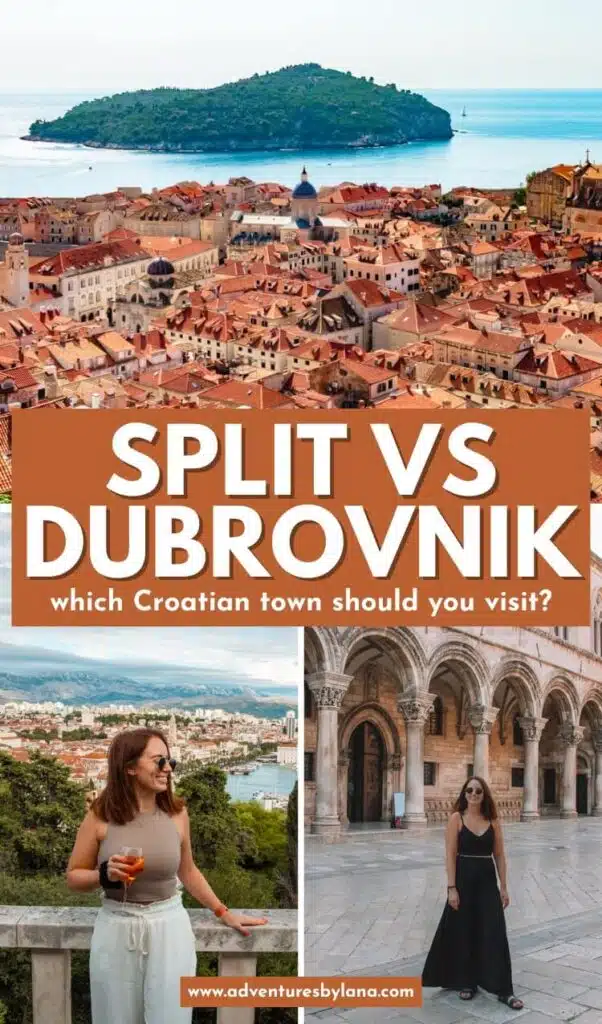
Split or Dubrovnik: Which City in Croatia Should You Visit?
Are you planning your first trip to Croatia and trying to decide between Split or Dubrovnik?
While neither are the capital, Split and Dubrovnik are two of the most popular cities in Croatia, especially for first-time visitors. From ancient Roman ruins to medieval walled towns, buzzing nightlife to serene island escapes, both Split and Dubrovnik offer unforgettable experiences along the Adriatic Coast.
During our one week trip to Croatia, we spent 3 nights in both towns because we couldn’t choose between the two!
But if you only have time for one or the other, this blog post will help you decide which is right for you. I’ll break down everything you need to know about these two Croatian towns and compare them based on overall cost, things to do, proximity, and more.
Whether your focus is beaches, food, history, or culture, you can’t go wrong with either. And in my opinion, both are worthy of being on your bucket list, but if you have to narrow it down to either Split or Dubrovnik, this post will help you decide!
Quick Mini Guide to Croatia
Don’t have a lot of time? Here’s a quick mini guide to Croatia to help plan your epic adventure!

Where to Stay:
– City Walls Irundo (our adorable seaside apartment in Dubrovnik!)
– Luxury Rooms Skyfall (gorgeous apartment in Split with perfect location!)
Best Time to Visit: Mid to late September for low crowds and perfect weather!
Things to Do:
– Blue Cave Tour from Split (see 5 islands in one day!)
– Epic Game of Thrones Tour (a must for GoT fans!)
– Krka Waterfalls with Boat Cruise (one of Split’s top day trips)
Dubrovnik Overview
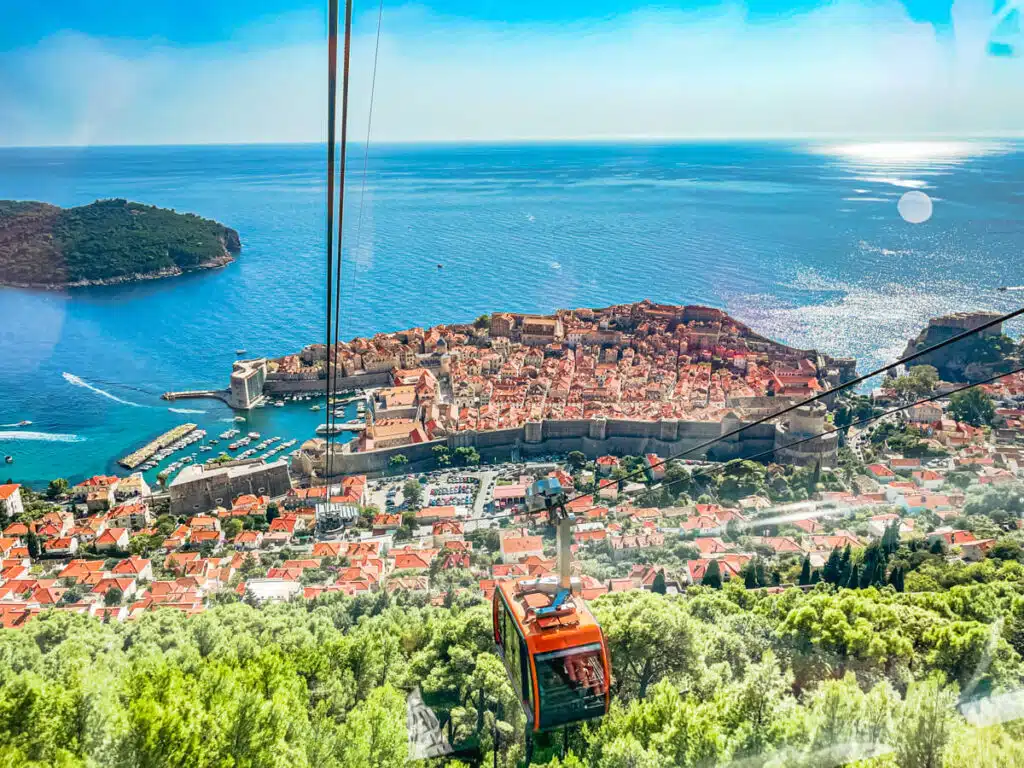
Dubrovnik is Croatia’s most iconic destination, known as the Pearl of the Adriatic! The entire city revolves around its walled Old Town, a perfectly preserved medieval area perched above the sea.
Enclosed by massive stone walls that date back to the 13th century, Old Town is where most visitors spend the majority of their time. It’s pedestrian-only, which adds to the charm and makes it feel like you’re stepping onto a movie set. And technically, you are! Dubrovnik doubled as King’s Landing in the famous HBO series Game of Thrones.
Despite its small size, Dubrovnik is packed with historic sites, narrow limestone alleys, and lively plazas. You’ll find ancient churches, fortresses, and palaces tucked around every corner. Outside the walls, neighborhoods like Pile, Ploče, and Lapad offer quieter stays with easy access to the center.
There are plenty of things to do in Dubrovnik to fill a few days, including walking the City Walls, kayaking in the sea, visiting the nearby Lokrum Island, riding the cable car to the top of Mount Srd, and so much more!
Dubrovnik is ideal for travelers who want a mix of history, coastal beauty, and culture. Just keep in mind it’s one of the most visited cities in Croatia, so if you’re visiting in the summer, expect crowds and prices to reflect that.

Split Overview
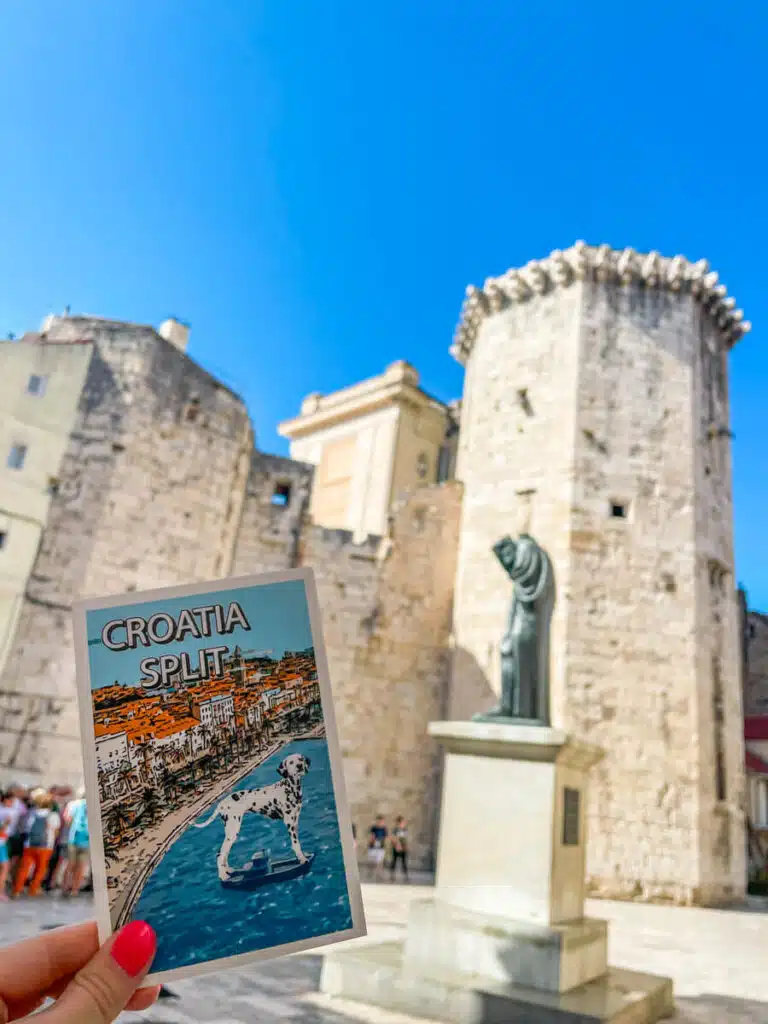
Split is Croatia’s second-largest city (after the capital of Zagreb) and a vibrant blend of ancient history and modern Mediterranean life. At the heart of Split lies Diocletian’s Palace, a 4th-century Roman palace-turned-living-museum that now forms the backbone of Old Town.
Unlike Dubrovnik, Split’s Old Town isn’t preserved within city walls, but it’s still the heart of the city! You’ll find tons of restaurants, bars, and accommodations in Split’s Old Town, and it’s extremely walkable just like Dubrovnik.
The city stretches along the Adriatic coast, with a bustling waterfront promenade called the Riva that’s perfect for evening strolls, people-watching, or grabbing a drink. This is also the primary area for nightlife and one of the top things to do in Split!
Split is also bigger and more spread out than Dubrovnik, with more residential neighborhoods, beach clubs, and local markets.
While it doesn’t have the same jaw-dropping “wow” factor as Dubrovnik at first glance, Split wins points for energy, local flavor, and versatility. It’s also a major transportation hub, making it a great base for day trips to nearby islands, Krka National Park, and other coastal gems.
Split is ideal for travelers who want a mix of history, beach time, nightlife, and easy access to explore more of Croatia.


Breakdown of Factors: Split vs Dubrovnik
In this blog post, I’ll be comparing Split vs Dubrovnik against several factors. I’ve summarized the results of each category below in a quick side-by-side comparison, but make sure to keep reading for all the details to help you decide which Croatian town is best for you!
Split wins for accessibility, affordability, nightlife, variety of day trips, and accomodation options. It’s best for travelers who want energy, flexibility, and value.
Dubrovnik wins for romance, dramatic scenery, walkability, swimming spots, and Game of Thrones magic. It’s ideal for couples, history buffs, and those after iconic views and charm all packed into one area.
While Split technically wins more categories below, I actually liked Dubrovnik better! Maybe it’s because I am a huge Game of Thrones fan, but Dubrovnik was unlike any place I’ve ever been before. The picturesque Old Town with its medieval walls and plethora of swimming spots stole my heart!
| Category | Best Pick | Notes |
| Accessibility | Split | Closer to other cities, larger airport, ferry/bus next to Old Town |
| Cost | Split | More affordable accommodations, food, and activities |
| Weather | Tie | Similar climates and best visited in late spring or early fall |
| Where to Stay | Split | More variety and value in accommodations near the center |
| Walkability / Transport | Tie | Both are extremely walkable |
| Beaches / Swimming | Dubrovnik | Dubrovnik has more scenic swim spots (not just beaches) |
| Food / Restaurants | Tie | More variety and better prices in Split; Dubrovnik excels at upscale dining |
| Nightlife | Split | Livelier scene with bars, clubs, and late-night options |
| Day Trips | Split | Better island access and inland excursion options |
| Game of Thrones | Dubrovnik | Way more filming locations, whole town looks like Westeros |
| Culture & History | Dubrovnik | Medieval charm and Old Town walls |
Accessibility
When it comes to getting in and out of each city, Split is a bit easier to reach than Dubrovnik. Split is home to Croatia’s second-busiest international airport (SPU), with direct flights from many European cities and seasonal routes from North America.
The airport is about 30 minutes from the city center, and taxis, shuttles, and private transfers are easy to arrange.
Dubrovnik’s airport (DBV) is smaller but still well-connected to major European hubs. However, direct flights are more limited, and during off-season months, you may need to connect through Zagreb or another European city. The airport is about 25 minutes from Old Town by car.
One important note: Croatia doesn’t have a train system along the coast, so trains aren’t an option for getting to either city. Most visitors rely on buses, ferries, rental cars, or private transfers. In the summer, ferries between coastal cities like Split, Dubrovnik, and Hvar are very common for travelers. You can read more about these options in my guide on How to Get from Split to Dubrovnik!
It’s also helpful to know that Dubrovnik is at the very southern tip of Croatia, while Split is more centrally located. That means Split offers better connections to the rest of the country and is often the better starting point for a multi-stop itinerary. The drive time from Split from Zagreb, the capital of Croatia, is around 4 hours.
We personally were able to fly round-trip out of Dubrovnik for our trip, with connections in other European cities from the USA. It would’ve been easier to fly into Dubrovnik and out of Split (or vice versa) to save on driving time, but it wasn’t the end of the world for us!
Overall, both Dubrovnik and Split are fairly accessible if you are flying into the country. However, Split has a slight edge since its airport is slightly larger. Split is also closer to other major Croatian cities which makes it easier to get to by car.
🗺️ Still in the early stages of planning? Perfect timing. Before you lock in your destination, make sure you have a planning system in place. My Passport to Confidence guide is a $7 roadmap that walks you through every decision from booking your international flight to packing the night before you leave. Download it instantly!
🏆 Best Pick for Accessibility: Split
Overall Costs
When it comes to budget, Split tends to be more affordable than Dubrovnik across the board. From accommodations and restaurants to tours and cocktails, you’ll usually pay a little less in Split.
Dubrovnik, on the other hand, has grown into a luxury destination in recent years, especially during the summer when prices spike due to cruise crowds and high demand.
Accommodations in Dubrovnik, particularly within or near Old Town, can be pricey. Smaller apartments dominate the offerings, and options book up quickly in peak season.
We chose to stay right outside Dubrovnik Old Town in Pile Bay, which was the perfect location for us. We were only a few minutes’ walk from Old Town, but far enough away to avoid the large crowds, especially at night. Our small studio apartment had a window overlooking the harbor and cost $200 per night in late September (after peak season).

In Split, there’s a wider range of price points and a better chance of finding good value close to the center. We stayed in a fairly large apartment with a private balcony overlooking the Riva waterfront for only $180 per night. I don’t have the link to our exact apartment, but this apartment is almost identical!
Dining and drinks also follow the same trend. A glass of wine or a seafood dinner in Split will generally cost less than a comparable experience in Dubrovnik. Entrance fees for attractions like the Dubrovnik City Walls are also notably higher than similar historic sites in Split.
That said, both cities can be done on a range of budgets. If you’re willing to stay outside the main tourist zones or visit during shoulder season, you’ll find better deals either way.
But for the average traveler, Split wins when it comes to value for money!
🏆 Best Pick for Affordability/Lower Costs: Split
Weather and When to Visit
Both Split and Dubrovnik enjoy a classic Mediterranean climate with hot, dry summers and mild, wet winters. Summer is peak tourist season, especially from June through August, when temperatures soar into the high 80s°F (around 30°C), and both cities are buzzing with activity.
If you’re after beach days and nightlife, summer is the time to go, but be prepared for crowds and higher prices, especially in Dubrovnik.
Shoulder season, particularly May or late September/early October, is the sweet spot in my opinion! We visited Dubrovnik and Split during the last week of September and were spoiled with very warm (but not blazing) weather and swimmable seas. Plus, there were far fewer tourists than the height of summer, and costs were much more affordable!
Winter in both cities is quieter and cheaper, but many tourist-focused businesses (like island ferries and beach clubs) shut down. That said, Dubrovnik in the off-season has a bit more charm thanks to its preserved Old Town and holiday festivities.
While both cities are ideal summer destinations, their temperatures remain very similar throughout the year, so we will call this one a draw!
🏆 Best Pick for Weather: Tie


Where to Stay
Dubrovnik is a fairly small town, and the most desirable (and expensive) place to stay is within the Old Town walls. Accommodations inside the walls are mostly small apartments or boutique guesthouses, often with steep stairs and limited space.
If you want to be in the heart of the action and don’t mind the noise or crowds, this is where you want to be! However, just outside the walls, neighborhoods like Pile and Ploče offer a quieter stay with easier access to viewpoints and beaches.
Lapad, a bit farther out, is a great option for families or travelers on a budget, with more space and a beachier vibe.
Five-star hotels are few and far between if you want to be close to Old Town. The Hilton Imperial Dubrovnik and Hotel Excelsior are both less than 10 minutes away from the Pile and Ploce Gates, respectively. However, these are both luxury options. Other traditional hotels are a bit further from Old Town in neighborhoods like Lapad, and these are more affordable.
Read more about the different areas of Dubrovnik in my guide on Where to Stay in Dubrovnik!
In Split, most travelers stay in or around Old Town, the city’s historic core, which backs right up to the bustling Riva Waterfront. Like Dubrovnik’s Old Town, it’s pedestrian-only, but the atmosphere is more relaxed and local. Apartments here are more affordable and often larger than in Dubrovnik.
For more space, look just outside the Old Town near the Riva promenade or the Veli Varoš neighborhood. Split also has more full-service hotels and modern apartments, so it’s easier to find options with amenities like balconies, kitchens, or air conditioning.
🏆 Best Pick for Variety and Value in Accommodation: Split


Walkability / Public Transportation
As mentioned, both Split and Dubrovnik are centered around their Old Towns. In both cities, these are where the majority of tourists spend their time, thanks to an abundance of restaurants, bars, and historic sights centered around these areas.
Both of these historic areas are pedestrian-only, with no vehicles allowed inside. So, if you stay near Old Town in either city, you won’t need a car during your trip, unless you plan to adventure outside the city center a lot.
In terms of walkability, Dubrovnik’s Old Town is extremely compact. You can walk from one end to the other in under 10 minutes. Other popular spots around Dubrovnik like the Mount Srd cable car, Fort Lovrijenac, and the West Harbor are just outside Old Town within a 5-minute walk.
However, the main ferry port and bus station of Dubrovnik are about 10 minutes away by car in the Gruž neighborhood. So if you are arriving to Dubrovnik by ferry or bus, you’ll need to hop on a local bus or take a taxi to get to Old Town.
Split’s Old Town is more spread out, and the city itself is larger overall, so you’ll walk a bit more to reach different sights, but the difference isn’t drastic. One major perk, however, is Split’s main bus and ferry terminals are right next to Old Town. If you’re arriving or departing by ferry or bus and staying in Old Town, you’ll be able to walk directly to your accommodation without needing a ride.
In both cities, Ubers are readily available and affordable, which makes getting to beaches or restaurants outside the main center super easy.
Split’s public transportation network is slightly more robust, with better connections for day trips and local buses running throughout the city. That, combined with its role as a transportation hub, gives it a slight edge. However, the main area of Dubrovnik felt more walkable than Split. So, we will call this one a tie!
🏆 Best Pick for Walkability and Transit Access: Tie
Beaches
If you’re dreaming of a beach vacation, both Split and Dubrovnik deliver!
Dubrovnik’s beaches are known for their scenic views and dramatic settings. Banje Beach is the most famous, just a short walk from Old Town, offering postcard views of the city walls and Lokrum Island. However, it’s small, pebbly, and can get very crowded in peak season.
For a more relaxed vibe, head to Sveti Jakov Beach or Lapad Bay, both a short drive or bus ride away. Or, you can hop on the ferry to Lokrum Island, which leaves from the Old Port of Dubrovnik in Old Town. After a 10-minute ferry ride, you’ll be treated to a beautiful island with several beaches to choose from!
It’s important to note that most beaches in Croatia are rocky, not sandy, so water shoes are a great thing to pack!
And while not technically beaches, Dubrovnik also has some gorgeous swimming spots right outside Old Town. We loved swimming in West Harbor, also known as Pile Bay, during our time in Dubrovnik! Here, you can swim in crystal clear water nestled right in between Fort Lovrijenac and the Old Town Walls.
Another one of our favorite spots in Dubrovnik was Buza Bar! This bar is located on the cliff’s edge of the City Walls (you actually have to walk through the walls to get here). While you can just hang out and have a drink here, I highly recommend taking advantage of the fun cliff jumping as well as swimming right in the sea!


Split, on the other hand, has several beaches all within a 10-minute drive from Old Town. Bacvice Beach is the most popular and is just a 10–15 minute walk from Old Town. It’s sandy (a rarity in Croatia), shallow, and great for swimming or sunbathing.
Instead of Bacvice Beach, we actually took an Uber about 10 minutes from Old Town to Trstenik Beach. While this is a public beach, there is also a private section maintained by the Raddison Blu Resort. Here, you’ll find the Mistral Beach Club, which was unfortunately closed for refurbishment during our visit!
Another beach we visited during our 3 days in Split was Kasjuni Beach, located on the slopes of Marjan Hill. We visited here in the afternoon and stayed for sunset, which I highly recommend! You can also rent beach chairs and order drinks and food from Joe’s Beach Lounge and Bar.
Overall, I think both cities have plenty of options when it comes to beaches. However, the ocean felt much more accessible in Dubrovnik, as there were plenty of places to just hop in and swim right around Old Town.
🏆 Best Pick for Beaches and Swimming Spots: Dubrovnik

Bacvice Beach 
Kasjuni Beach 
Trstenik Beach


Restaurants
Croatian cuisine blends Mediterranean and Balkan influences, and both Split and Dubrovnik offer plenty of ways to sample it. We ate a ton of fresh seafood, grilled meats, pasta, and local wines during our time in Croatia!
In terms of restaurants, Dubrovnik is known for its romantic terrace dining and sea-view restaurants, especially inside or near Old Town. The food quality is excellent, but expect higher prices, especially in the city center.
Many of the most scenic spots come with a markup, and reservations are a must in summer. Dubrovnik also has several Michelin-star restaurants. We personally ate at Nautika Restaurant during our last night in Croatia, and while expensive, it was the perfect way to end our trip.
This restaurant overlooks the West Harbor and the sea, with incredible views of Fort Lovrijenac and Old Town. Other incredible restaurants we loved in Dubrovnik were Banje Beach Restaurant and the Panorama Restaurant on the top of Mount Srd!


Save this post for later!
Split has a more casual, local vibe when it comes to food. You’ll find everything from hole-in-the-wall bakeries and market stalls to trendy wine bars and waterfront seafood restaurants.
Prices are generally lower than in Dubrovnik, and there’s a wider range of options, whether you’re looking for a quick bite or a multi-course meal.
If you like exploring through food, Split’s relaxed dining scene, fresh markets, and lower prices give it a slight advantage! However, if fancy restaurants are your thing, I think Dubrovnik reigns supreme.
🏆 Best Pick for Restaurants: Tie
Nightlife
If nightlife is a major part of your trip, Split is the clear winner. The city has a well-earned reputation as Croatia’s party hub, especially in the summer.
The Riva promenade is the heart of the action, lined with lively bars, clubs, and open-air lounges that fill up as the sun sets. From here, it’s also a short walk to other nightclubs and beachfront venues near Bačvice, and late-night restaurants that stay open well past midnight.
Split also has a fun variety of nightlife styles. You’ll find local wine bars tucked into side streets, casual spots for cheap beers and cocktails, and upscale rooftop lounges with Adriatic views.
While we didn’t party until the sun came up during our trip, we still got to experience some fun bars. Our favorites were The Daltonist Craft Bar for fun cocktails and ROOF 68 for sunset drinks! Also, make sure to head over to Diocletian’s Palace in the evening and have a glass of wine on the cushioned stairs of the restaurant outside!
Dubrovnik’s nightlife, by comparison, is much more subdued. While there are a few stylish cocktail bars and some beach clubs outside the Old Town, most venues shut down earlier than they do in Split.
The majority of bars in Old Town Dubrovnik are cozy and romantic, ideal for an after-dinner drink rather than a night of bar-hopping. The city caters more to couples, families, and cruise ship visitors, so the nightlife scene reflects that, aka quiet cocktails and sunset drinks rather than clubbing and late nights.
During our trip, we had dinner at Banje Beach Restaurant & Club one night. While the inside was definitely set up for clubbing, there weren’t many people there since it was late September. Our waiter said that during the summer months it’s a very popular spot! Another option nearby is Elyx Night Club.
Overall, if you’re looking for high-energy nights out, Split will give you more options and a more social atmosphere than Dubrovnik, which is a bit quieter.
🏆 Best Pick for Nightlife and Energy: Split
Day Trips
Both Split and Dubrovnik offer great day trip options, but Split is by far the better base if you plan to explore beyond the city!
From Split, island hopping is one of the most popular activities. The ferry port is just steps from Old Town, making it incredibly easy to take day trips to nearby islands like Hvar, Brač, Šolta, and Vis.
One of our favorite days in Croatia was our island hopping boat day from Split! We booked this 5-island boat tour which included stops at the Blue Cave, the island of Vis, the Pakleni Islands, and the island of Hvar. While it was a very long day, we had a total blast and got to see so much of Croatia!
If you’re more into inland adventures, Split is also the launch point for one of Croatia’s most visited natural sites: Krka National Park. Just 90 minutes away by car or bus, Krka is famous for its waterfalls, wooden walking paths, and scenic river views.
It’s a great alternative to Plitvice National Park if you’re short on time, and you can book a tour from Split for only $30.
Other popular land-based trips from Split include Klis Fortress (a Game of Thrones film location), Trogir, and Omiš for ziplining or rafting on the Cetina River.



Dubrovnik offers a smaller range of day trips, but there are still some solid choices. The most convenient is Lokrum Island, just a 10-minute ferry ride from Old Town. It’s perfect for a half-day escape with beaches, botanical gardens, and cliffside swimming spots.
You can also take day trips to Cavtat, the wine region of Pelješac, or the oyster farms in Ston. We actually stopped at a winery in Ston on our way from Split to Dubrovnik, which was a fun way to break up the drive!
For a more international twist, some travelers book day tours to Montenegro from Dubrovnik, although these involve a border crossing and longer drive!
Overall, Split offers more options and better logistics for a variety of day trips compared to Dubrovnik.
🏆 Best Pick for Day Trip Variety and Access: Split
Game of Thrones Film Locations
If you’re a Game of Thrones fan, Dubrovnik is an absolute must-visit. This is actually the primary reason my friend and I chose to visit Croatia! We wanted to step into the world of Westeros.
The city of Dubrovnik served as the primary filming location for King’s Landing, the capital of Westeros, and many of the show’s most iconic scenes were shot right within (or just outside) the Old Town walls. Walking through Dubrovnik truly felt like stepping directly onto the set.
Some of the most famous filming locations in Dubrovnik include:
- Fort Lovrijenac (The Red Keep)
- Pile Bay (Blackwater Bay)
- Jesuit Staircase (Cersei’s Walk of Shame)
- City Walls (multiple battle scenes)
- Lokrum Island (Qarth)
- Gradac Park (Purple Wedding)
- Minčeta Tower (House of the Undying)


Naturally, there are a number of Game of Thrones tours that take you to these spots, many hosted by local guides who worked as extras during filming! The tour we booked even included Lokrum Island, where you can sit on an actual Iron Throne used on set.
I highly recommend booking a Game of Thrones tour while in Dubrovnik so you can learn more about the show’s filming and its impact on the locals. You can read more about the Game of Thrones film locations and different tour options in my Game of Thrones Dubrovnik Guide!
Split also has its place in the Game of Thrones universe, though on a smaller scale. The underground basements of Diocletian’s Palace served as Daenerys’ throne room in Meereen, and Klis Fortress just outside the city was used for exterior shots of the same city.
While there’s less GoT content in Split overall, the locations are still worth checking out if you’re following the filming trail. Dubrovnik, however, feels like you’re really in Westeros, so it’s the winner here!
🏆 Best Pick for Game of Thrones Fans: Dubrovnik
Culture and History
Both Split and Dubrovnik are rich in culture and history, but they reflect very different chapters of the past.
Dubrovnik is a perfectly preserved medieval city with deep roots in maritime trade. As the former Republic of Ragusa, it was once a powerful and independent city-state that rivaled Venice in influence.
Its wealth and importance are reflected in the grand architecture, Gothic and Renaissance buildings, and baroque churches scattered across Old Town. Walking through Dubrovnik feels like stepping back in time!! Every corner is steeped in history, from the Rector’s Palace to the Franciscan Monastery.
Cultural events here are more traditional and elegant, like classical concerts, art exhibits, and the annual Dubrovnik Summer Festival. The entire city feels curated and protected, which makes it a dream for history lovers, but a bit formal for some.


Split, on the other hand, blends ancient history with everyday life. The core of the city is Diocletian’s Palace, a 4th-century Roman structure that’s still alive with shops, apartments, cafes, and locals.
It’s not a museum—it’s a lived-in monument. Split’s history is more layered and raw, with Roman, Venetian, and Yugoslav influences visible throughout its winding streets.
Culturally, Split feels more local and energetic. You’ll stumble upon live music in public squares, open-air markets, and casual festivals that feel spontaneous rather than staged. It’s an ideal destination if you want a historical city that still feels like a functioning, modern place.
Overall, I think Dubrovnik wins this category, but not by much!
🏆 Best Pick for Culture and History: Dubrovnik
Frequently Asked Questions
Is Split or Dubrovnik better for day trips?
Split is generally better for day trips, as it has easier access to islands like Hvar, Brač, and Vis, plus Krka National Park, Trogir, and Klis Fortress, all within 1–2 hours.
Is Split or Dubrovnik easier to get to?
Split is slightly easier to reach than Dubrovnik. Its airport is larger with more flight options, and its ferry and bus stations are right next to Old Town.
Is Split cheaper than Dubrovnik?
Yes. Split is generally more affordable than Dubrovnik for accommodations, dining, and activities, especially during high season (summer).
Is Split or Dubrovnik better?
It depends on your interests! Dubrovnik is ideal for history, Game of Thrones lovers, fancy restaurants, and iconic views. Split is better for budget-conscious travelers, nightlife, and variety in day trips.
Is Split or Dubrovnik better for couples?
Dubrovnik wins for romance and Old World charm. Split is better for adventurous couples who want beach time, island hopping, and fun nights out.
Is Split or Dubrovnik bigger?
Split is larger in both size and population. It offers a more local, lived-in feel beyond the tourist zones. The main part of Dubrovnik, centered around Old Town, is tourist-focused. However, locals do still live in Old Town too!
Is Split or Dubrovnik better for families?
Split is more family-friendly with flatter terrain, accessible beaches, and more casual dining. Dubrovnik’s steep steps and higher prices can be tougher with kids.
Is Split or Dubrovnik closer to Hvar?
Split is closer to Hvar. It takes around 1.5 hours to reach Hvar from Split, whereas it takes 3.5 hours to reach Hvar from Dubrovnik. Thanks to its close proximity, Hvar is a popular day trip option from Split.
Does Split or Dubrovnik have better beaches?
Split has better and more accessible beaches, including sandy Bačvice and scenic Kasjuni. Dubrovnik’s beaches are beautiful but rockier and more crowded!
Does Split or Dubrovnik have better nightlife?
Split is better for nightlife than Dubrovnik. Split has a vibrant party scene with clubs, cocktail bars, and beach lounges along the Diva. Dubrovnik is quieter and more relaxed at night.
Final Thoughts – Should You Visit Split or Dubrovnik?
If you’re choosing between Split and Dubrovnik, it really comes down to your travel priorities and style!
Choose Dubrovnik if you’re drawn to dramatic views, medieval architecture, and a more romantic, historic atmosphere with easy access to the sea. It’s perfect for couples, history lovers, and anyone wanting to walk through what feels like a real-life fantasy setting.
Choose Split if you want more variety, better value, and easier access to beaches and day trips. It’s ideal for budget travelers, families, island hoppers, and anyone looking for a livelier, more laid-back vibe.
Can’t decide? I highly recommend visiting both!!! That’s what we did. They’re just a few hours apart and pair perfectly in one trip. Check out my 7 Day Croatia Itinerary to see how you can explore both Split and Dubrovnik in one unforgettable week.
Read More Croatia Blog Posts Below! ⬇️🇭🇷
Should You Visit Croatia In September? Here’s What To Expect
Split Or Dubrovnik: Which City In Croatia Should You Visit?
7 Day Croatia Itinerary: ULTIMATE Croatia Itinerary For First Timers
3 Day Split Itinerary: The Perfect 3 Days In Split, Croatia
13 Unique Things To Do In Split, Croatia On Your First Visit
Is The Blue Cave Tour From Split Worth It? Full Guide!
5 Ways To Get From Split To Dubrovnik: A Detailed Guide
How To Spend 2 Days In Dubrovnik: PERFECT Dubrovnik Itinerary!
Where To Stay In Dubrovnik For First-Timers (With Map!)
15 Unforgettable Things To Do In Dubrovnik, Croatia!
Game Of Thrones Dubrovnik Guide: Locations, Tours, & More
How To Plan A Game Of Thrones Croatia Trip: Film Locations, Episodes, & Tours
Make sure to pin this post for future planning!