
A Guide to Snorkeling on the Big Island: Top Spots & Tips!
The Big Island is known for some of the best snorkeling and diving out of all the Hawaiian Islands. As the youngest island, the Big Island’s landscape is very unique and offers something different from all the other islands! I spent one week on the Big Island in 2023 and had some amazing snorkeling experiences!
From the sunny Kona coast to the tropical Hilo side, the Big Island has so many incredible places to admire the underwater world. In this post, I’ll cover all the top snorkeling spots on the Big Island, including the famous manta ray night swimming and some other more local spots.
I’ll also answer some questions you may have about snorkeling on the Big Island, like the best time of year to snorkel and what rules you need to follow!
If you’re ready to experience the beautiful coral gardens of Hawaii, keep reading to help plan your adventure.
A Quick Look at the Big Island
Don’t have a lot of time? Here’s a quick mini guide for the Big Island to help plan your epic adventure!

Where to Stay:
Royal Kona Resort: The PERFECT place to stay in Kona! Great location, awesome pool bar, & spacious rooms!
SCP Hilo: An environmentally conscious hotel that perfectly represents Hilo!
When to Visit:
– My favorite time is April/May (great weather and shoulder season)
– High season is December – March (also whale season!)
– Summer (July-August) is very warm and also sees a good amount of crowds
Things to Do:
– Snorkel with Manta Rays
– Mauna Kea Stargazing Adventure
– Whale Watching Cruise
Big Island Snorkeling Spots Map
At the end of this section is a map that shows all of the snorkel spots mentioned in this blog post! You’ll notice most of them are clustered on the west (Kona) side of the island, but there are a few great options on the east (Hilo) side too.
Compared to other islands like Oahu, you’ll notice the Big Island has a totally different vibe: fewer crowds, more vibrant reefs (especially on the Kona side), and easier access to calm snorkel spots!
If you’ve never been to the Big Island before, here’s a quick breakdown to help make sense of the layout!
P.S. You can read more about the different areas of the Big Island in my guide on Where to Stay on the Big Island!
The Big Island is big — it’s actually larger than all the other Hawaiian islands combined. The two main hubs are Kailua-Kona on the west side and Hilo on the east. Each side has its own vibe, geography, and weather — and that makes a big difference when it comes to snorkeling!
The Kona side (west) is typically hot, dry, and sunny, with most areas getting around 10-20 inches of rain a year. That means the water here is usually clear and calm — perfect for snorkeling almost year-round.
Most of my favorite snorkel spots are here because the visibility is incredible and the coral tends to be healthier in the sun-drenched waters.
The Hilo side (east), on the other hand, is lush, green, and tropical — but it’s also way wetter, getting over 100 inches of rain a year in some areas! That makes the landscape beautiful and perfect for waterfall chasing, but also means the ocean can be rougher and visibility isn’t always great for snorkeling.
That said, the snorkeling here is still worth it — especially in spring-fed lagoons where the water stays crystal clear even when it rains.
When planning your snorkel days, I recommend checking the local weather and ocean conditions before you go. Even a normally calm beach can be unsafe if a swell rolls in.
I personally had the best luck snorkeling in Kona during the late morning to early afternoon when the water was calm and the light was perfect for spotting sea life!
Make sure to save this map to your own Google Maps so you can easily reference it while exploring!
Best Snorkeling Spots in Kona
As I mentioned above, most of the best snorkeling on the Big Island is on the Kona side — and that’s no accident. With calm, sunny weather most of the year, the west coast has some of the clearest waters I’ve ever swam in.
The coral here gets tons of sunlight, which helps it thrive, and the visibility can be incredible on a good day.
If you’re staying near Kailua-Kona, you’ll be close to some of the island’s top snorkel spots. And unlike other islands where you might need a boat, many of these places are easy to access straight from the shore.
Thanks to the abundance of coral heads right off the beach, snorkeling is one of the best free things to do in Kona!
Two Step Beach at Honaunau Bay
Two Step Beach at Honaunau Bay is often regarded as the best snorkeling spot on the Big Island!
Located about 40 minutes south of Kailua-Kona, Honaunau Bay sits right next to Pu’uhonua o Honaunau National Historical Park. The snorkeling spot got its nickname from the natural lava rock formation that creates two “steps” into the water, making it the perfect entry location for snorkelers! Think of it like a little shelf!
There’s something magical about how quickly the underwater world opens up here. Just a few strokes off the shore and you’re surrounded by coral gardens, schools of yellow tang, and other incredible sea life.


There are areas in the Bay where the water is only 6-10 feet deep, or you can swim further out into deeper water if you’re comfortable. Here, you’re more likely to see wildlife like Hawaiian spinner dolphins or Hawaiian green sea turtles!
Since it’s such a popular spot, I always recommend getting here early. Parking is limited, and the water tends to get busier in the afternoon. There are no rental shops directly on-site, so make sure to bring your own snorkel gear or rent it beforehand in Kona.
Like many other popular areas on the Big Island, Honaunau Bay is a historically significant cultural site to the Hawaiian people. Two Step Beach is located right next to Pu’uhonua O Honaunau National Historical Park, which is a great place to stop at when you’re done snorkeling.
Here, you can go on a self-guided walking tour and visit Royal Grounds once reserved for the chiefdom of Kona.

Captain Cook Monument
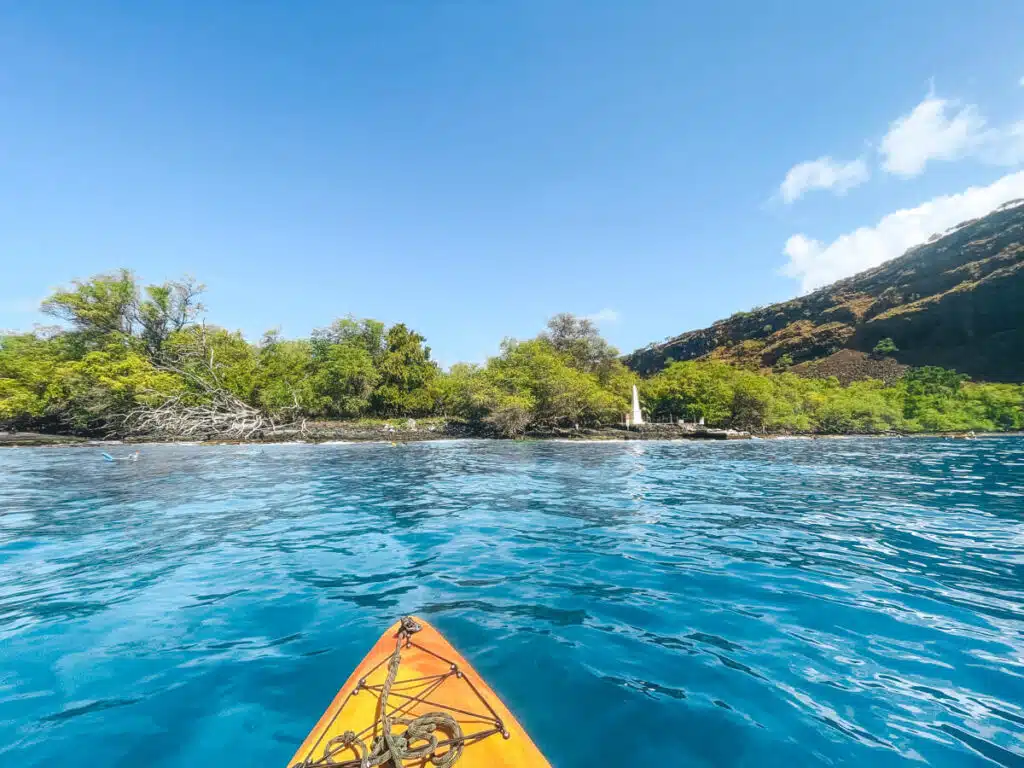
My personal favorite place to go snorkeling on the Big Island is at Captain Cook monument! The Captain Cook monument is located about 20 minutes south of Kailua-Kona off Highway 11. The monument lies within Kealakekua Bay, the Big Island’s only underwater state park.
Getting to the monument takes a little more effort than other spots on this list, but it’s 100% worth it. You’ve got three options for getting to the snorkel spot around the monument: hike the 3.7-mile trail, kayak across the bay, or join a snorkel tour.
If you’re up for it, the hike gives you the most flexibility and is totally free — just keep in mind you’ll be doing it in both directions, and it’s a bit steep on the way back with very little shade! We personally didn’t want to conquer a 3 mile hike after snorkeling all morning, but it’s totally up to you.
We personally went the kayak route and loved every second of it! Kayaking across Kealakekua Bay was such a cool experience, as we saw spinner dolphins and manta rays along the way.
You can rent kayaks and make the journey by yourselves like we did. Or, if you don’t feel comfortable going alone, you can book a guided kayak tour, which is a bit more pricey!
If you decide to go the kayaking route, make sure to check out my full guide on kayaking to Captain Cook monument, where I compare the different options and share pros and cons of each.


The bay itself is a Marine Life Conservation District, so the reef is well-protected and teeming with fish. I saw schools of tang, butterflyfish, even a moray eel hiding in the rocks.
The monument itself sits on a slab of lava at the north end of the bay and marks the spot where Captain James Cook was killed in 1779, so there’s some history here too!
Make sure to go early if you can. The water is calmest in the morning, and it gets extremely crowded as the day goes on. By the time we were getting ready to leave around 11am, there were tons of snorkel boats and swimmers in the water, making the experience a little less enjoyable!
Also, don’t forget to bring everything you need for the morning, including reef-safe sunscreen, water, and snacks! There are no facilities at the monument, and if you’re kayaking on your own, you’re not allowed to beach your kayak on dry land.

Kahalu’u Beach Park
Kahaluʻu Beach Park is one of the easiest snorkel spots to access near Kona, which makes it super popular, especially for beginners or anyone with limited time. It’s only about 10–15 minutes south of downtown Kona, so you can easily squeeze in a snorkel session before lunch or on your way to other adventures.
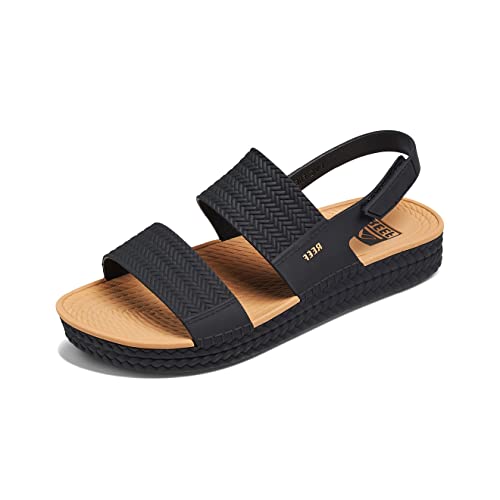
The reef here is really close to shore, and the calm, shallow waters make it easy to explore without needing to swim far. That said, getting into the water can be a little tricky, as there are some lava rocks at the entrance, so take your time or wear water shoes (like my fav Reef sandals!) if you’re worried about footing.
In terms of wildlife at Kahalu’u, it is very common to see sea turtles in the water here. In addition, you might see eels, parrotfish, boxfish, butterflyfish, and more!
The beach also has the Kahaluʻu Bay Education Center on-site, where you can rent snorkel gear and learn more about reef safety and conservation. The beach park also has picnic tables, a covered pavilion, outdoor showers, bathroom facilities and a lifeguard tower.
One thing to keep in mind: the northern end of the bay is also a popular surf spot for locals. If you’re snorkeling, try to stick to the southern side to give surfers some space. And if you’ve ever wanted to try surfing yourself, this is one of the best places to take a surf lesson on the Big Island!

Save this post for later!
Kamakahonu Beach
If you’re looking for a great snorkel spot for beginners that’s easy to access, Kamakahonu Beach (also known as King Kam Beach) is a perfect choice. Located right in the heart of downtown Kona, Kamakahonu Beach is a small, public beach with little to no waves.
This beach sits between the Kona pier and the Courtyard Marriott King Kamehameha Kona Beach Hotel, so you can easily walk to it if you are staying nearby in Kona.
The beach is small but really calm since it’s protected by a breakwall that creates a natural lagoon. Locals even call it “keiki beach” — keiki means children in Hawaiian — because of the gentle water and soft sand entry. You can float around and spot tropical fish without dealing with waves or currents.
We spent a chill morning here just soaking in the sun, snorkeling, and watching paddle boarders glide by. There’s a rental shack on the beach run by Kona Boys, where you can grab snorkel gear, SUP boards, or kayaks.
Facilities include restrooms, outdoor showers, shaded picnic tables, and even BBQ grills. I wouldn’t necessarily plan a full day here, but it’s a great low-key option if you want to snorkel without straying far from Kona!


Best Snorkeling Spots in Hilo
While most visitors stick to Kona for snorkeling, don’t count out Hilo just yet. Yes, it’s wetter over here, but that lush rainforest landscape also creates some pretty unique underwater spots that are totally worth checking out.
Most of Hilo’s rainfall happens at night, and if you catch a sunny morning, the visibility in some of these protected lagoons is shockingly good. I was surprised by how clear and calm the water was at a few of these spots!
You might not get the same reef density as Kona, but you’ll likely see sea turtles — and way fewer crowds.
Hilo is also cooler and more overcast, which can be a bonus if you’re snorkeling mid-day and want a break from the intense sun on the west side.
➡️ Check out my full guide on Things to Do in Hilo for more ideas on how to spend your time on this side of the island!
Carlsmith Beach Park
One of the most beautiful places to visit on the Big Island is Carlsmith Beach Park, just 10 minutes outside of downtown Hilo. The beach park is free to enter and has some of the clearest water I’ve ever seen!
The beach here isn’t a traditional stretch of sand. Instead, you’ll find a series of spring-fed lagoons that are connected to the ocean as well. The water is clear with a slightly chilly feel (thanks to the freshwater springs), but it’s very refreshing on a warm day!
The water is protected from large waves by a small reef, turning into a calm, saltwater pool. There are several places to swim, and you can lounge on the lava rock or grassy areas around the water.
Snorkeling is best in the main lagoon, where the water is calm and clear. I saw a few schools of tropical fish and was lucky enough to swim alongside a couple of sea turtles cruising through the shallows. It’s not as reef-rich as Kona, but the vibe here is super relaxing!!
There’s plenty of grassy space for laying out a towel or setting up a picnic, and the park has free parking, restrooms, and showers. We got there early in the morning and basically had the whole place to ourselves for a little while before the crowds arrived.

Richardson Ocean Park
Just down the road from Carlsmith Beach Park is Richardson Ocean Park, another great snorkeling spot on the Big Island! The ocean park also has spring-fed water that mixes with the warmer ocean water.
Unlike Carlsmith Beach Park, this is a true “beach”, with both black and green sand! It’s the closest black sand beach to Hilo in fact!
The park is open between 7 a.m. and 7 p.m., and there is a lifeguard on duty here. This park tends to get very busy on the weekends, so I recommend arriving early or visiting during the week if you are able to.
You are very likely to see sea turtles here, plus plenty of other tropical fish, and maybe even a Hawaiian monk seal if you are lucky!
The Ocean Park also has outdoor showers, restrooms, picnic tables, and grill stations!

Big Island Snorkeling Tours
If you don’t want to worry about logistics — or just want to hit multiple snorkel spots in one go — booking a snorkel tour while on the Big Island is a great option!
While I usually like the freedom of snorkeling from the beach, but we did splurge on one snorkeling tour while visiting that I 100% recommend (more on that in a sec).
Most snorkel tours leave from Kona and offer perks like gear, snacks, and experienced guides who know exactly where to find the best reefs. If you’re short on time or want to snorkel at places that are harder to reach (like Captain Cook Monument or spots near the Kohala Coast), a tour can save you a lot of stress.
Whether you’re chasing dolphins, want to snorkel with manta rays, or just want an easy half-day trip on the water, there’s a tour for it!
I’ve listed a few below that I personally recommend — based on what I did and what I researched during my trip.
Snorkeling with Manta Rays
Obviously I can’t talk about the best snorkeling on the Big Island without talking about the famous manta rays!
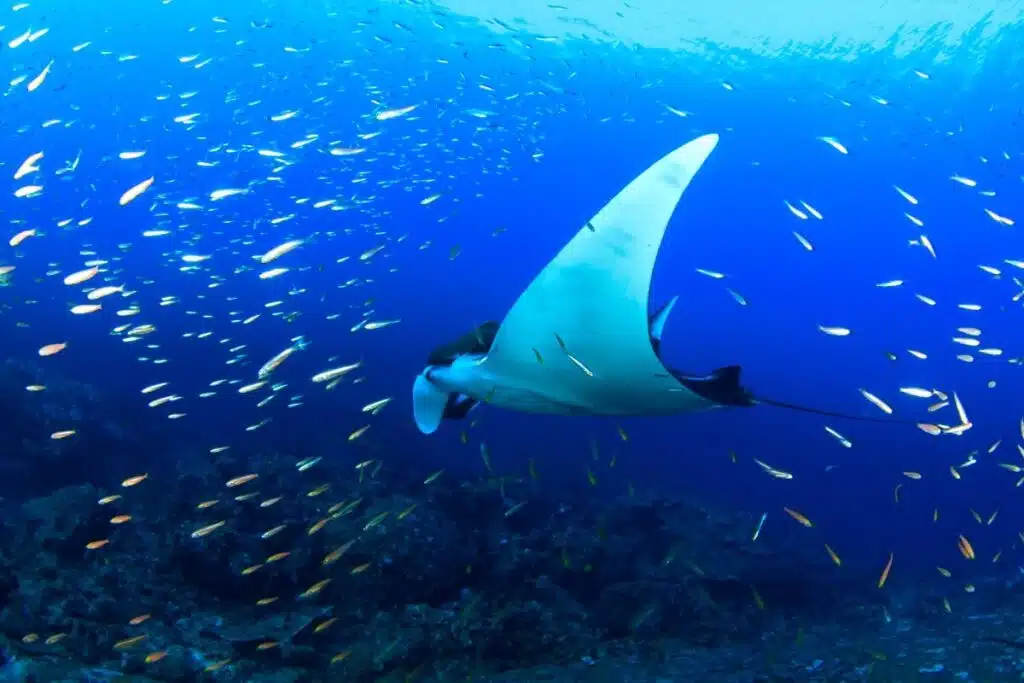
If you don’t know, one of the most popular activities to do on the Big Island is night swimming with manta rays. You can choose to snorkel or scuba dive. I’ve personally done both, and while they’re both incredible, if you are scuba certified, I recommend diving!
Swimming with manta rays is to this day one of the most surreal experiences I’ve ever had, and it’s something you can only do on the Big Island while in Hawaii! So if there’s one snorkel tour you splurge on, make it this one!
Snorkelers will float on the surface while holding onto a big raft that has lights underneath, and divers descend to the ocean floor (about 40 feet).
I was definitely nervous at first (they’re massive), but they’re completely harmless and incredibly graceful. Watching them somersault through the water, mouths wide open, felt like something out of a nature documentary.
Every tour provides snorkel gear, wetsuits, and flotation devices, and the guides do a great job of explaining the process. I highly recommend booking in advance — this tour sells out fast.
➡️ If you are looking for more info, I have a full guide on snorkeling with manta rays, including different tour options, how much they cost, and what to expect!



Other Snorkeling Tours
If you are looking for a day time snorkeling tour on the Big Island, you have plenty of options! I recommend going on a snorkel tour if you are a short on time so you can cover more ground!
However, most snorkel tours that leave from Kona include a stop at Kealakekua Bay — the same place where the Captain Cook Monument sits. So if you’re already planning to kayak or hike to Captain Cook on your own, I’d probably skip the organized snorkel tours.
But f you’re not up for the hike or kayak, doing a snorkel tour is the easiest and most comfortable way to experience Captain Cook. I found two really solid options worth looking into, depending on your budget and travel style!
The first is a more affordable option that costs around $80 USD per person. It’s a 2.5-hour snorkel tour that includes a dolphin search, snorkeling in a sea cave, and then a stop at Captain Cook for the main reef snorkeling. It’s short and sweet but covers a lot in a half-day trip! Lunch is also included.
If you’re looking for something a little more luxe, this deluxe sail and snorkel tour to Captain Cook is done on a spacious catamaran, which means you’ll have room to lounge, eat, and take in the views while cruising the coast.
It’s a little pricier but lasts 4.5 hours and includes breakfast, lunch, snacks, plus a second snorkel stop at Red Hill, where you can see underwater lava formations! If I were going back to the Big Island, this is definitely the tour I would choose.
Things to Know Before Snorkeling on the Big Island
Before you hit the water, here are a few important tips that’ll make your snorkeling experience smoother, safer, and more enjoyable!
Reef-Safe Sunscreen Is the Law
An absolute must-have when snorkeling on the Big Island is reef-safe sunscreen. Why? Hawaii has passed a law banning the distribution and sale of products containing oxybenzone and octinoxate, which have been proven to damage coral reefs.
They were the first state to do so! So make sure you are NOT wearing sunscreen that contains these chemicals while snorkeling in Hawaiian waters.
In addition, I recommend also avoiding sunscreens with octocrylene and avobenzone, as Hawaii is trying to ban these as well.
Brands like Blue Lizard and MANDA are both great options that do not contain any toxic chemicals!
If you’re looking to read more about reef-safe sunscreen and its importance for protecting coral reefs, check out this article!


Respecting Coral Reefs
Did you know coral reefs are living organisms? Reefs play a crucial role in supporting marine biodiversities, and they are very sensitive to human impact.
Before snorkeling on the Big Island, it’s important to understand the environmental duty we have to protecting coral reefs.
Aside from wearing reef-safe sunscreen as explained above, please do not stand on or touch any coral reefs while snorkeling, as the slightest human touch can cause irreparable damage.
Always try to stay horizontal in the water and give myself plenty of space from the reef — especially in shallower areas. If you’re not a strong swimmer or feel nervous around rocks and coral, consider wearing a flotation belt.
In addition, please do not remove any animals or shells from coral reefs.


Wildlife Rules
Snorkeling in Hawaii comes with the potential to see incredible wildlife. Because of this, Hawaii has some specific rules about interacting with wildlife that you should be aware.
Hawaiian green sea turtles are very common to see in the water. All sea turtles are protected by federal and state law, and they are an endangered species. NOAA recommends staying at least 10 feet away from sea turtles for your safety and the animals’ protection.
NOAA also has established guidelines for Hawaiian spinner dolphins. NOAA’s website states “there is a growing body of scientific evidence documenting the effects of dolphin-directed activities on spinner dolphins, especially activities that involve close approaches by humans.”
For this reason, the Marine Mammal Protection Act requires spinner dolphins be observed from a safe distance of at least 50 yards. In addition, it is illegal to harass or feed wild dolphins.
What to Bring Snorkeling
To start, of course you’ll need a mask and snorkel for snorkeling in Hawaii! Really, this is all you NEED to go snorkeling. Unlike scuba diving, where purchasing all of your own gear will cost over $1000, snorkeling gear can be relatively reasonable!
If you plan on snorkeling more than once in your life, I recommend investing in a quality mask and snorkel. I don’t recommend heading to Walmart and grabbing the first $20 mask and snorkel set you see. Your future self will thank you when you’re underwater!
While optional, fins are great to have while snorkeling, especially if the seas are rough. Unless you are an extremely strong swimmer, I recommend using fins for snorkeling on the Big Island.
You’ll be able to swim further and faster with less effort! Plus, if there are strong currents in the ocean, you will want to be wearing fins. You can invest in a quality snorkel set that includes fins like this one, and it’ll last you for 10-20 years!
Aside from snorkel gear, I also recommend bringing an underwater phone case or waterproof camera, like a GoPro, to capture Hawaiian incredible underwater scenery!


Best Time of Year for Snorkeling
The best time of year for snorkeling on the Big Island is typically from May – September, for a few different reasons.
As a surfing destination, the Hawaiian islands see large ocean swells, particularly in the winter months. These large waves make snorkeling dangerous or sometimes impossible in different areas of the island. This doesn’t mean you can’t snorkel on the Big Island in the winter, but your options will be limited.
Strong winds and waves also decrease water clarity, so the water is typically at its clearest in the summertime!
Lastly, the water is obviously warmer in the summer! The water temp typically hovers around 80ºF (27ºC) in summer. However, in the winter months, water temps can be drop into the mid-70s. I remember snorkeling at Molokini Crater as a kid on a December trip to Hawaii and freezing my butt off.
If you’re from somewhere like Florida (like me!), the Hawaiian waters might feel a little cold to you no matter what time of year!
However, you can always wear a wetsuit 🙂
Or, if you’re visiting in the winter and don’t want to brave the ocean temps, consider booking a whale watching cruise instead of going snorkeling!
Final Thoughts
That wraps up my guide to snorkeling on the Big Island! As you can see, there are tons of incredible spots to snorkel on the Big Island, whether you’re staying on the Kona side or the Hilo side. If you’re water-obsessed like me, I highly recommend snorkeling during the day, as well as doing the manta ray snorkel at night!
And make sure to snorkel responsibly by wearing reef-safe sunscreen and keeping your distance from animals and the coral reefs!
Now that you know about the best spots, make sure to check out my full guide on kayaking to Captain Cook monument to keep planning your trip!
Or, check out my other Big Island blog posts below! 👇🏼
30 INCREDIBLE Things To Do On The Big Island Of Hawaii
Kona To Hilo: A Complete Guide To Driving Across The Big Island
20 INCREDIBLE Things To Do In Hilo, Hawaii (& Nearby)
How To Kayak To Captain Cook Monument On The Big Island
The Perfect ONE WEEK Big Island Itinerary For First Timers
Where To Stay On The Big Island (+ Big Island Hawaii Map)
Best Snorkeling On The Big Island Of Hawaii: A Detailed Guide
Whale Watching On The Big Island: Tours, Best Time, & More
A Guide To Exploring The Best Waterfalls On The Big Island
10 FREE Things To Do In And Near Kona, Hawaii
Best Luaus On The Big Island: A Complete Guide
Don’t forget to pin this post for future planning!


2 Comments
Comments are closed.